


Start With a House-Wiring Decision Brief
Before contacting an electrician, write down the property type, city and province, approximate home age, affected rooms or equipment, visible symptoms from safe locations, construction stage, access limits, permit status, timeline and the decision that is due. Label unknowns instead of guessing. A clear brief helps the professional decide whether the first step is an inspection, repair scope, panel assessment, renovation plan or quote.
Compare House-Wiring Quotes by What They Include
Give contractors the same project facts and ask each quote to identify the work boundary, observed conditions, access assumptions, equipment, permits, inspections, utility or other-trade coordination, restoration, exclusions, change-order process, schedule, warranty and close-out records. The lowest total may simply describe less work, so compare the written scope before comparing price.
Keep the Electrical Record With the Home
Save permits or notifications, inspection outcomes, invoices, equipment manuals, warranties, accessible-work photos, written scope changes and contractor details. These records help with future renovations, insurance, resale and service calls without claiming that an unrelated or concealed area was inspected.
Understand How Local Quote Routing Works
HouseWiring.ca provides homeowner education and organizes project inquiries. A request is only confirmed when the site reports that it was saved; otherwise use the HAUSE email fallback. A saved request is not a ranking, booking or guarantee. Homeowners should still verify the contractor, written scope, insurance, permits and inspection responsibility for the actual project.
Rewiring an Older Home
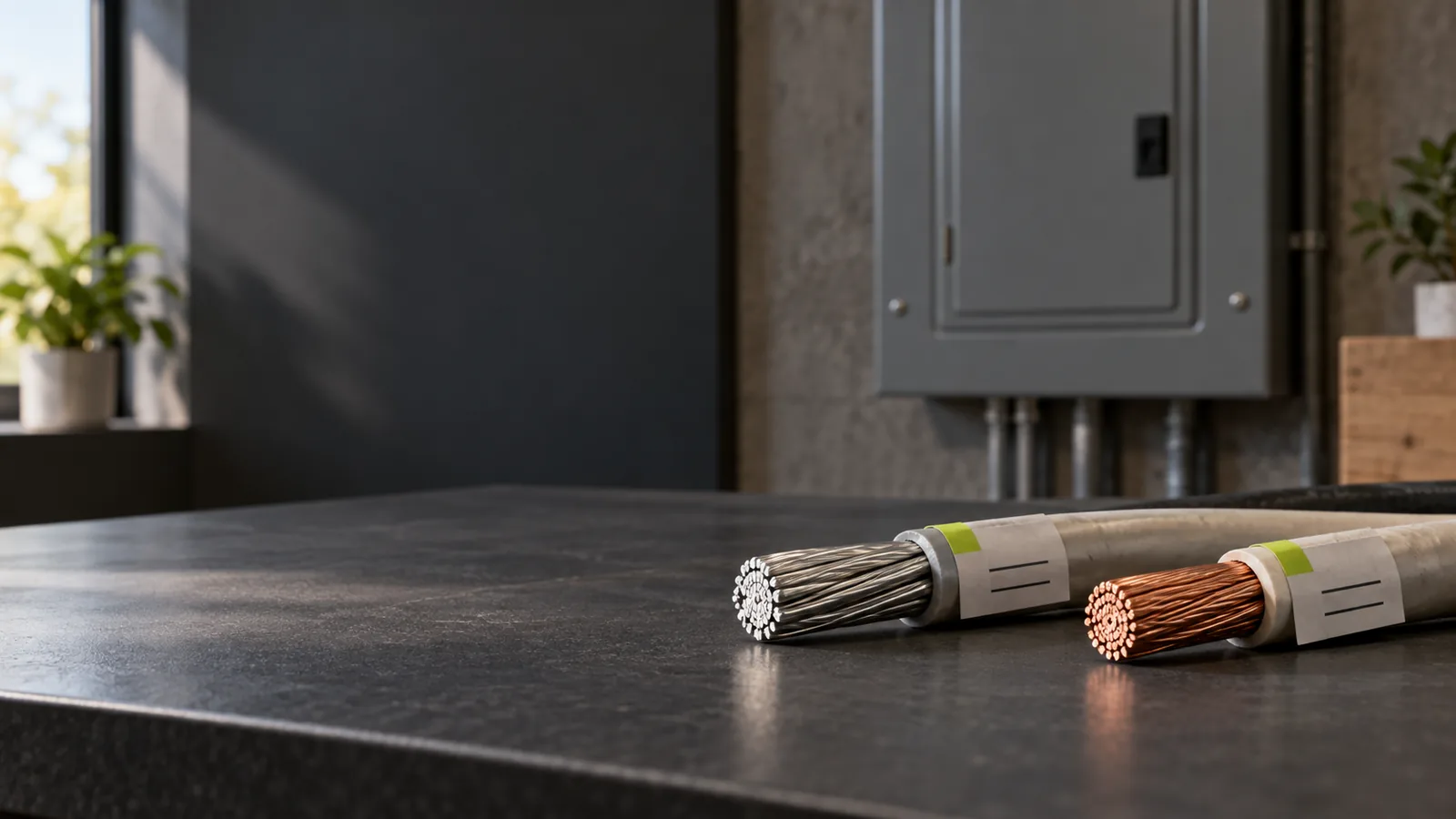
Older homes can involve obsolete wiring, ungrounded devices, aluminum wiring, knob-and-tube, poor renovations, or insurance requests. An electrician should assess the wiring type, condition, panel, grounding, permit path, and renovation plans before walls are opened or purchases are made.
Electrical Panel Upgrades
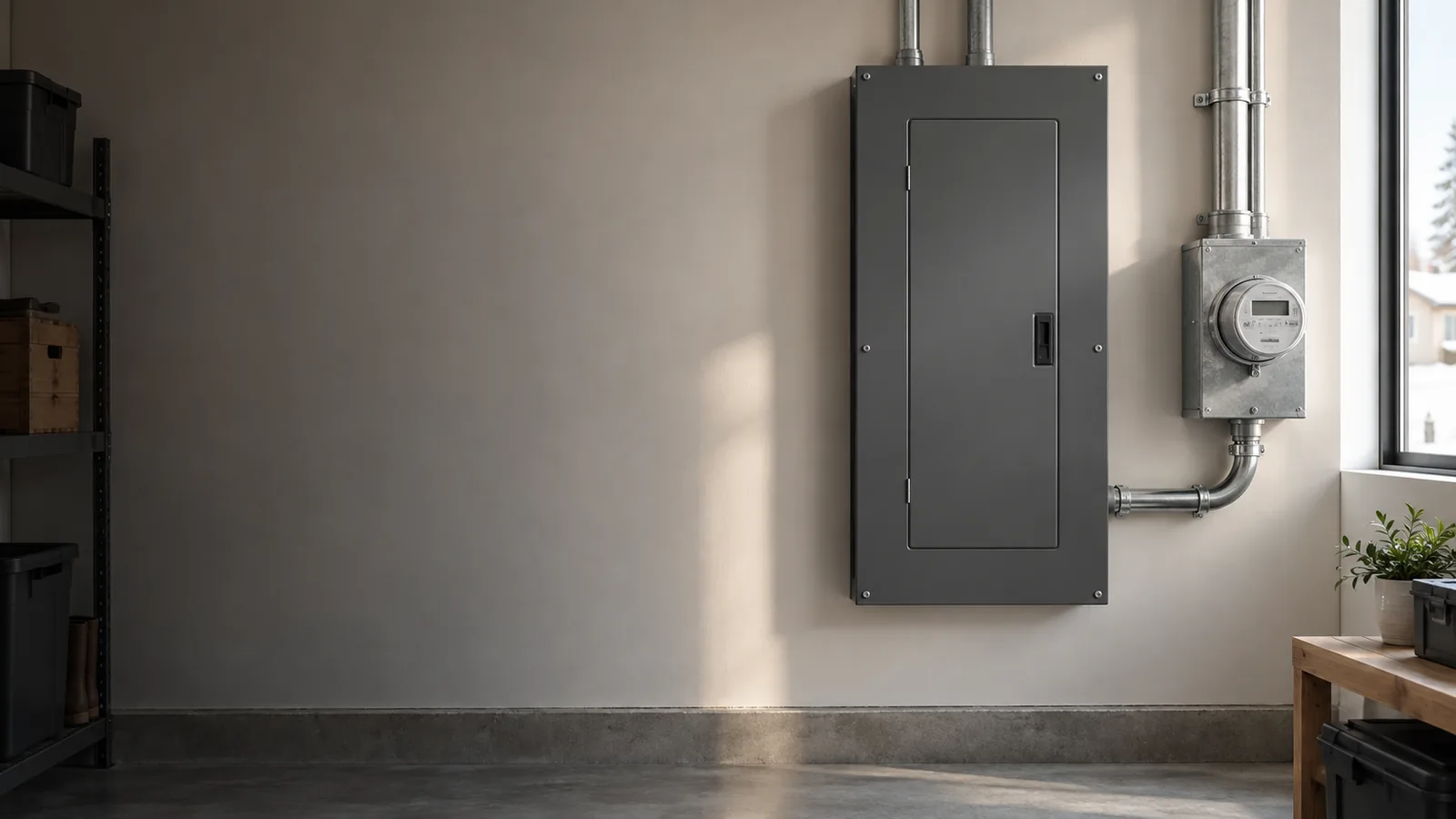
Panel upgrades often appear when homeowners add EV chargers, hot tubs, heat pumps, basement suites, garage shops, or major kitchen renovations. The right question is not simply whether there is room for another breaker; it is whether the home can safely support the planned load under local rules.
Basement, Garage, Kitchen, and Renovation Wiring
Renovation wiring should be planned before framing and drywall. Ask your electrician what must be inspected, whether panel capacity is sufficient, and how future equipment plans should influence today's scope.
EV Chargers, Hot Tubs, Heat Pumps, and High-Load Equipment
High-load equipment should follow manufacturer instructions and local electrical code. Homeowners should collect manuals, location plans, photos, and timeline details, then ask an electrician to confirm permit and inspection requirements.
Electrical Permits and Inspections by Province
Permit and inspection requirements vary by province, municipality, property type and project scope. Start with the relevant provincial authority, then confirm the exact local pathway before work begins.
Aluminum Wiring and Knob-and-Tube Concerns
Old wiring concerns are not all equal. Insurance, home-sale conditions, visible damage, previous modifications, and renovation plans can change urgency. Get a professional inspection before assuming the scope or cost.
Cost Factors for Residential Electrical Work
Access, home age, finished walls, panel condition, distance to equipment, inspection timing, permits, urgency, and hidden wiring all affect cost. HouseWiring.ca frames cost as planning guidance, not guaranteed pricing.
How to Choose an Electrician
Ask about licensing, permit responsibility, inspection scheduling, insurance, written scope, change orders, equipment assumptions, and documents you will receive. In Ontario, ESA says Licensed Electrical Contractors are the businesses legally authorized to do electrical work in homes, subject to limited exemptions.
Frequently Asked Questions
Does house wiring need a permit?
Many residential wiring projects require a permit, especially new wiring, panel changes, added circuits, or altered branch circuits. Replacing a fixture may be treated differently in some municipalities. Homeowners should check their local authority before work starts.
Can I hire a handyman for electrical work?
In many places, paid electrical work must be performed by a licensed electrical contractor or properly authorized person. In Ontario, ESA says Licensed Electrical Contractors are the only businesses legally authorized to perform electrical work in homes, with limited exemptions. Always verify local rules.
What should I prepare before asking for a quote?
Prepare your city, project type, home age, panel photos from a safe distance, renovation plans, equipment manuals, timeline, permit status, and a description of any symptoms or insurance concerns.
When should I call an electrician about house wiring?
Call before opening walls, altering circuits, changing a panel, buying high-load equipment, closing renovation access, or relying on an old-wiring assumption. Request prompt help for heat, smoke, burning odour, sparking, shock, visible damage or worsening symptoms.
What affects the cost of residential electrical work?
Access, home age, finished surfaces, panel and service condition, equipment, permits, inspections, utility coordination, local labour, urgency and hidden conditions can affect the quote. Online ranges are planning context, not guaranteed prices.
Is old wiring a deal-breaker when buying a house?
Not always. Wiring type, condition, modifications, insurance requirements, renovation plans and the evidence from an electrician or inspection should guide the decision. Home age or a single label is not a complete diagnosis.
What documents should I keep after electrical work?
Keep permits or notifications, inspection outcomes, invoices, equipment manuals, accessible-work photos, written scope changes and contractor contact details for insurance, resale and future renovations.
What should I ask before hiring an electrician?
Ask about licensing or authorization, permit and inspection responsibility, written scope, access assumptions, change orders, schedule, warranty, insurance and the records provided at completion.
What can go wrong with a house wiring project?
Under-scoped work, unclear permit responsibility, late equipment changes, access closed before inspection, unsafe unlicensed work and missing records can create delays, extra cost or safety concerns. Confirm the sequence and scope in writing.
Which house wiring guide should I start with?
Start with the decision you need to make: an electrical symptom, renovation, old-wiring concern, panel or service project, permit question, high-load equipment installation, insurance request, home purchase or sale. The right guide organizes the next questions without diagnosing the property.
What can I send an electrician without opening anything?
Send the city, province, property type, home age, project description, safe photos from accessible locations, drawings, equipment manuals, symptom timing, permit status, timeline and any insurance or resale request. Never open a panel or device cover to gather information.
What is the safest way to start a house-wiring project?
Describe the property, project decision, home age, safe visible context, access limits and timeline, then ask a qualified electrician and local authority about the appropriate assessment, permit and inspection path. Do not open panels or follow generic wiring instructions.
Why do house-wiring prices vary by property?
Access, home age, finished surfaces, existing wiring, panel or service condition, equipment, permits, inspection timing, utility coordination, local labour, urgency, restoration and concealed conditions can all change a site-specific quote.
What does HouseWiring.ca do with a quote request?
The site organizes homeowner project information. It confirms an inquiry only after a durable save response. If a save cannot be confirmed, keep your entries and contact info@hause.ca. Verify any provider and proposed scope directly.
How should I organize electrical records for insurance or resale?
Keep the project scope, permit or notification, inspection outcome, invoices, equipment records, warranties, accessible-work photos, contractor details and any written limitations together. Match the records to the specific project rather than making a whole-home claim.
Sources and Last Verified Date
Last verified: July 13, 2026. Source pages can change; confirm details directly with the authority before work starts.
- City of Calgary: Homeowner electrical and plumbing permits
Calgary homeowner permit guidance, including when electrical permits are required and when fixture-only replacement may be treated differently. - Electrical Safety Authority: Who can do electrical work at my property?
Ontario guidance on Licensed Electrical Contractors and homeowner responsibilities. - Electrical Safety Authority: Working with General Contractors
ESA guidance to confirm that a Licensed Electrical Contractor performs residential electrical work when hiring a general contractor. - Technical Safety BC: Homeowner electrical permits
BC homeowner electrical permit examples and contractor permit caveats. - Government of Alberta: Electrical codes and standards
Alberta electrical codes in force and STANDATA resources.